


Bayyinah TV
4.6104.00 Reviews
App Specs
- Version
- 4.2.1
- Updated On
- License
- Free
- Downloads
- 100,000+
- Developer
- Bayyinah LLC
- Categories
- Education
- Platform
- Android
Screenshots
 Analysis by AppCompare
When I’m trying to build a steady learning habit, I want more than a long list of videos: I need a clear reason to return, a way to keep my place, and content that rewards careful attention. Bayyinah TV is aimed at people who want to study Quranic themes and Islamic teachings through a dedicated education app, rather than pick up occasional clips from a general video service. I found it most useful when I treated it as a learning routine, not background entertainment.
A practical routine for making progress
I’d start by choosing one subject that genuinely interests me, then return to it in short, repeatable sessions. A lecture can be easier to absorb when I give it my full attention, pause to consider an idea, and jot down a question to revisit later. That approach suits the app’s educational focus better than hopping between unrelated topics whenever I have a spare minute.
For example, on a quiet commute or during a break at home, I might continue a course rather than search for something new. When I have more time, I can use a session to review what I remember and identify an idea I want to explore further. The practical benefit is not simply having content available; it is making the experience easier to fit around ordinary life without pretending that a short viewing replaces sustained study.
The app is a particularly natural fit for learners who want to explore Quranic study or develop their understanding of Arabic at their own pace. I’d also recommend it to someone who already follows Islamic talks but wants a more focused place to return to lessons. If you mainly want quick answers, general news, or a broad mix of unrelated entertainment, a search engine, a general video app, or a reference resource may be a better match for that specific need.
Small habits that make lessons easier to revisit
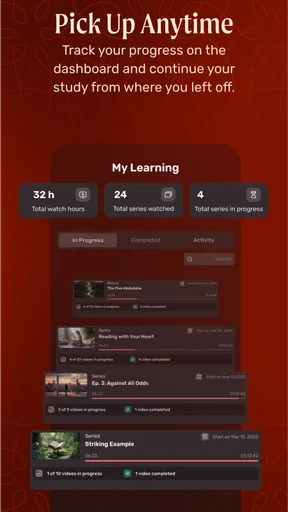
I’d use bookmarking deliberately rather than saving every interesting item. Keeping a short list of lessons I intend to continue makes it easier to choose the next session, while an overly large collection can become another pile to sort through. If progress is remembered across courses, that can help me resume a structured sequence instead of relying on memory to find my place.
A useful pattern is to pair one viewing session with one simple follow-up: write a question, note a key idea in your own words, or decide what you want to listen for next time. This is especially helpful with material that discusses language, themes, or historical context, where a second pass may reveal connections missed during the first. I would not assume every lesson needs the same pace; some topics are better approached slowly, while others may work well as a single focused session.
Before settling into a course, I’d take a moment to look through the available learning materials and decide how I want to use them. If a lesson includes supplementary resources, they can make a useful companion to watching, but I would treat them as support rather than a substitute for understanding the lesson itself. For learners who prefer to study away from the screen, checking whether a resource is available for their chosen lesson can help shape a more balanced routine.
Worth Reading Before You Choose

EA SPORTS FC Mobile 26 Is a Bigger Football Game, but It Takes Time

Flipboard Shows What News Apps Must Do Beyond the Feed

Switching to Android Auto Means Rethinking Your Driving Routine

Google Calendar Makes a Crowded Week Easier to Manage

Ludo King Makes the Most of the Minutes Between Plans

Baby Panda World Brings Quick Play to Modern Phones, but Its Game Library Feels Busy
What to check before committing to a study plan
Bayyinah TV is free to download, but it offers in-app purchases, so I would check the current access and purchase details in the app before building a long-term plan around particular content. That matters if you are choosing it for a course you hope to follow from beginning to end. I’d first explore what is accessible to me and make sure the learning format suits my needs before considering any paid option.
The app is made by Bayyinah LLC and sits in the education category. It has a 4.6 average from around 4,300 ratings, with over 100,000 installs, and is rated for everyone. Those figures suggest that it has reached a sizable audience, but they cannot tell me whether its teaching style will suit a particular learner. I’d judge that by trying a lesson and asking whether the pace, subject matter, and presentation help me stay engaged.
It is also worth separating a guided learning experience from a general video search. A broad platform may be more convenient when I want a quick clip from many different creators, but a dedicated service can be preferable when I want to return to a focused body of Islamic educational material. The trade-off is that this narrower purpose will not make it the right tool for every question or every style of study. For questions requiring personal religious guidance, I would seek a trusted qualified teacher rather than treat an app lesson as a personal ruling.
Where the experience may feel limited
A dedicated library can make it easier to concentrate, but it also asks me to be comfortable learning through recorded material. Someone who needs live discussion, individual feedback, or a teacher to clarify a point in the moment may find that a video-led app does not provide enough interaction. Community features can add a social element when available, but I would not confuse discussion among users with expert guidance or assume it will replace a class or study group.
There is also a difference between having many lessons to explore and having a clear personal curriculum. If I open the app without a learning goal, it would be easy to spend time browsing rather than studying. I’d avoid that by deciding what I want from each session and keeping a manageable queue of lessons. Learners who prefer textbooks, structured in-person classes, or a live Arabic tutor may make better progress with those formats, perhaps using the app as a supplement rather than their main method.
On a smaller screen, careful study can be less comfortable than on a larger display, particularly when I want to take notes or compare a lesson with written material. I’d choose a setting where I can listen attentively and pause without feeling rushed. If I’m multitasking, I may still hear a lecture, but I’m less likely to absorb its argument or remember the details. That is a limitation of the viewing habit as much as the app, yet it matters when deciding whether a session is genuinely useful.
Before relying on any specific convenience, I’d check how it behaves on my own device and with the content I plan to use. A remembered place in a course and a saved lesson are helpful when they work with my routine, but I would still keep a simple note of the course or topic I am studying. That modest backup makes it easier to resume even if I switch devices or have not opened the app for a while.
Who will get the most from it
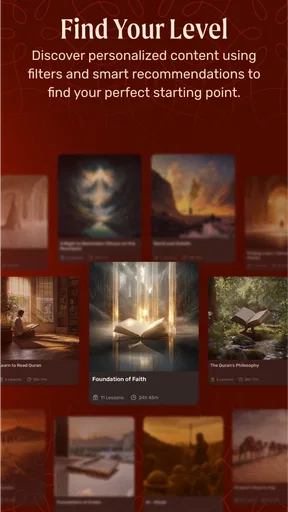
I think the strongest audience is someone who wants a focused way to explore Islamic learning and is willing to return regularly. A beginner can use self-paced lessons to approach subjects gradually, while a more experienced learner may appreciate revisiting themes and language with fresh attention. The important point is to choose content that matches your current level rather than assume that every course will be equally accessible or equally challenging.
It may be less suitable if your priority is a free-form social discussion, a live class schedule, or an all-purpose reference library. It is also not an ideal replacement for asking a knowledgeable person about a sensitive or personal religious matter. In those cases, a teacher, local study group, or carefully chosen reference source can provide context and dialogue that a recorded lesson cannot.
The current version is 4.1.2, and the minimum operating system listed for it is version 7.0. I’d check compatibility on the device I plan to use before making it part of a routine, especially if I rely on an older phone or tablet. Its age rating is everyone, but the best fit still depends on the learner’s interests and how they prefer to study.
One question people often have is whether they need to be advanced to benefit. I would not treat prior expertise as a requirement: the more useful test is whether the lesson’s subject and pace make sense to you. Another practical question is whether the app can replace a conventional class. For independent listening and revisiting lessons, it can be a helpful option; for live correction, personal feedback, or sustained conversation, a class remains the stronger choice.
For a first try, I’d pick a topic I already care about, watch one lesson without trying to multitask, and then decide whether I want to continue the same subject. That gives a fairer impression than judging the app by a quick browse. If I enjoy the teaching approach and find myself returning to the material, I can build a repeatable habit around it. If I do not, there is little value in forcing a routine simply because the library is dedicated to a subject I care about.
One further trade-off is the balance between breadth and depth. A catalog can invite exploration, but moving constantly from one subject to another can make learning feel fragmented. I’d give a course enough attention to understand its approach before switching tracks, while still allowing myself to change direction if a topic is not a good fit. This is a simple way to keep curiosity without turning every session into another round of browsing.
Exploring the World of Bayyinah TV
First things first, Bayyinah TV is an online streaming platform that offers a wide range of Islamic content. The app is the brainchild of Nouman Ali Khan, a renowned Islamic scholar and speaker. It's like having a comprehensive library of Islamic lectures, courses, and insights right in your pocket. Whether you're a beginner or someone with a more advanced understanding, this app has something for everyone.
Getting Started: Interface and Usability
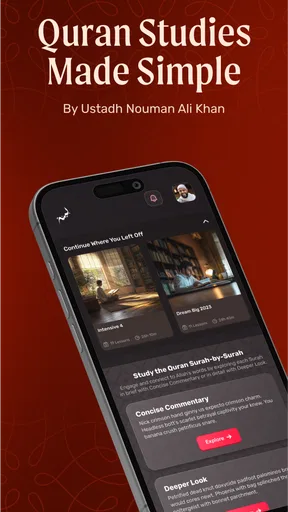
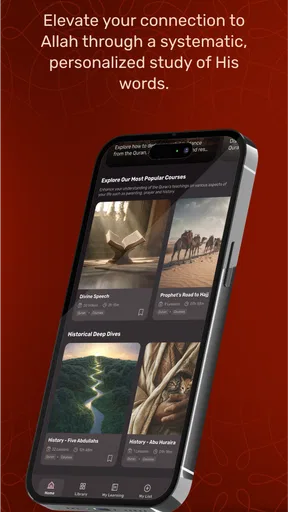
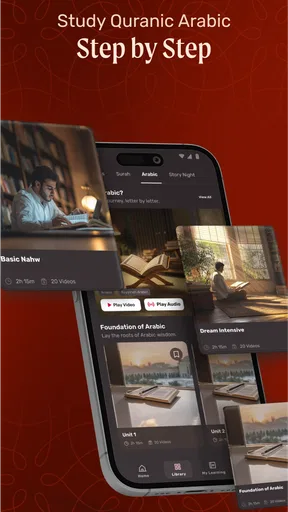
When I first opened the app, I was greeted by a clean and intuitive interface. The layout is straightforward, making it easy to navigate. The home screen showcases various categories like Quranic studies, Arabic classes, and even some motivational talks. It’s like Netflix for Islamic content, but with a more educational twist. The search function is also pretty handy if you're looking for something specific.
One thing I appreciated was the ability to bookmark lectures or courses. This way, you can easily pick up right where you left off or save something interesting for later. The app also remembers your progress in different courses, which is a neat feature for those who like to learn at their own pace.
Diving Deeper: Content and Features
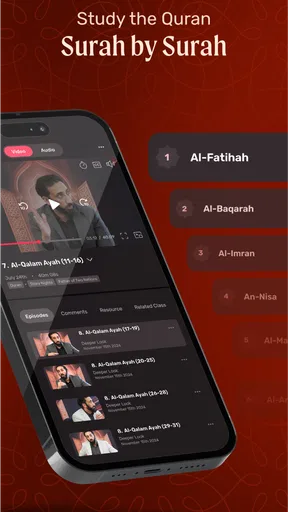
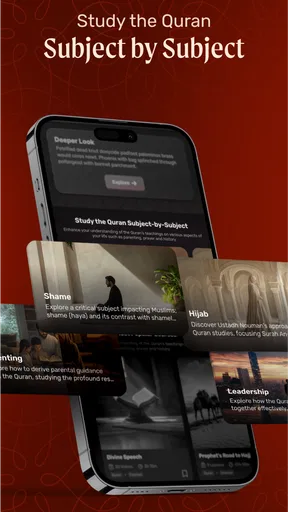
The content on Bayyinah TV is both diverse and in-depth. I found myself particularly drawn to the Quranic study sessions. These are designed to deepen your understanding of the Quran by exploring its themes, linguistics, and historical context. Trust me, even if you think you know the Quran well, these sessions will open up a whole new perspective.
Another feature worth mentioning is the Arabic learning section. As someone who’s always wanted to brush up on my Arabic, I found this incredibly useful. The lessons are structured in a way that’s easy to follow, and you can learn at your own pace. Plus, there are plenty of supplementary materials available, like PDFs and quizzes, to reinforce your learning.
Personal Experience and Insights
Using the app felt like embarking on a spiritual journey. The lectures are not only informative but also deeply inspiring. I found myself reflecting on my personal beliefs and understanding of Islam more than once. The app encourages you to think critically and engage with the material, which is something I truly value.
I also appreciated the sense of community within the app. There are forums and discussion boards where you can connect with other users. Sharing insights and discussing different topics with others adds an extra layer of depth to the learning experience. It’s like being part of a global classroom where everyone is eager to learn and grow together.
Wrapping It Up: Is Bayyinah TV Worth It?
So, is Bayyinah TV worth your time and investment? Absolutely. Whether you’re looking to deepen your understanding of Islam, learn Arabic, or simply find some inspiration, this app is a fantastic resource. It offers a wealth of knowledge and allows you to engage with the material in a way that’s both educational and enriching.
If you're someone who enjoys learning at your own pace and appreciates high-quality content, I highly recommend giving Bayyinah TV a try. It’s not just an app; it’s a gateway to a deeper understanding and connection to your faith. So why not give it a try and see where it takes you?
My final recommendation is enthusiastic but not unconditional: I’d choose this app when I want focused Islamic learning that I can revisit on my own schedule. I would pair it with notes, a clear topic goal, and a teacher or trusted source when a question needs personal guidance. For that kind of steady, self-directed use, it can become a worthwhile part of a learning routine; for live instruction or answers tailored to an individual situation, I would look elsewhere alongside it.
Pros
- Extensive library of Islamic content.
- User-friendly interface.
- High-quality video streams.
- Regularly updated with new content.
- Accessible offline viewing options.
Cons
- Limited free content available.
- Requires subscription for full access.
- Occasional buffering issues.
- User interface lacks customization.
- No native app for smart TVs.
FAQs for Bayyinah TV
What is Bayyinah TV, and what type of content does it offer?
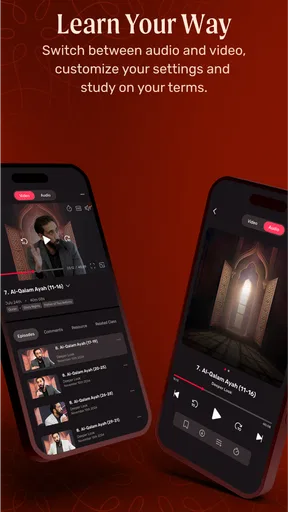
Bayyinah TV is an educational platform that provides a wide range of Islamic content, including lectures, Quranic studies, and language courses. The app is designed to cater to both beginners and advanced learners seeking a deeper understanding of Islamic teachings. With a user-friendly interface, Bayyinah TV offers high-quality video and audio content accessible from any device.
Is there a subscription fee to access Bayyinah TV, and what are the payment options?
Yes, Bayyinah TV requires a subscription to access its full range of content. Users can choose from various pricing plans, including monthly and annual subscriptions. Payment options typically include credit/debit cards and online payment systems like PayPal. Occasionally, Bayyinah TV offers free trials or promotional discounts, so it's worth checking their website for current offers.
Can I download content from Bayyinah TV for offline viewing?
Bayyinah TV allows users to download content for offline viewing, making it convenient to access educational material without an internet connection. This feature is particularly beneficial for users with limited data plans or those in areas with unstable internet. Downloaded content is accessible through the app, ensuring you can continue learning wherever you are.
Does Bayyinah TV offer content in multiple languages?
Bayyinah TV primarily provides content in English, but it also offers resources in other languages, catering to a diverse audience. Language options may vary depending on the specific course or lecture. The platform aims to reach a global audience, so check the app or website for the latest updates on available languages and translations.
Is Bayyinah TV suitable for children and family use?
Bayyinah TV is designed to be family-friendly, offering content suitable for all age groups. While much of the material is aimed at adults seeking deeper religious understanding, there are also resources tailored for younger audiences. Parents can guide their children through age-appropriate content, ensuring a valuable learning experience for the whole family.


